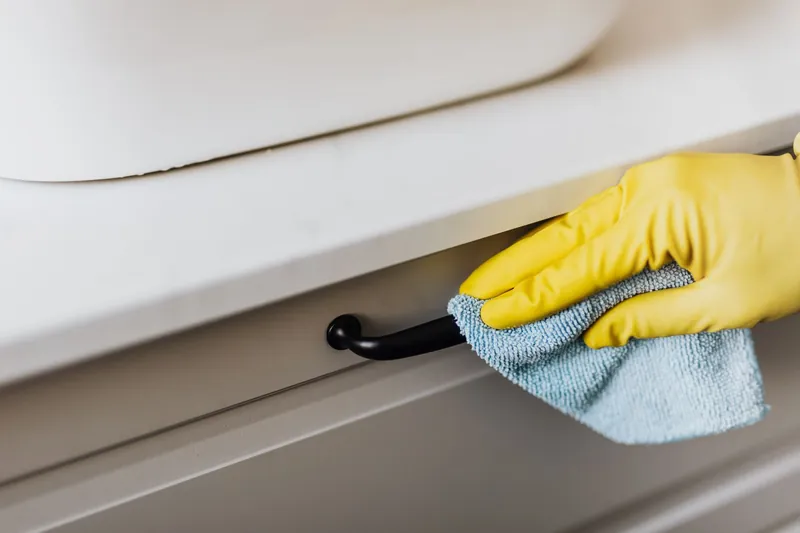
Bodily Fluid Cleanup
Bodily fluid cleanup and disinfection for homes, care settings and businesses.
See bodily fluid cleanupGet vomit removed from a home, rental, vehicle or business in South Hill, with careful cleaning, disinfection and odor treatment for the affected materials.
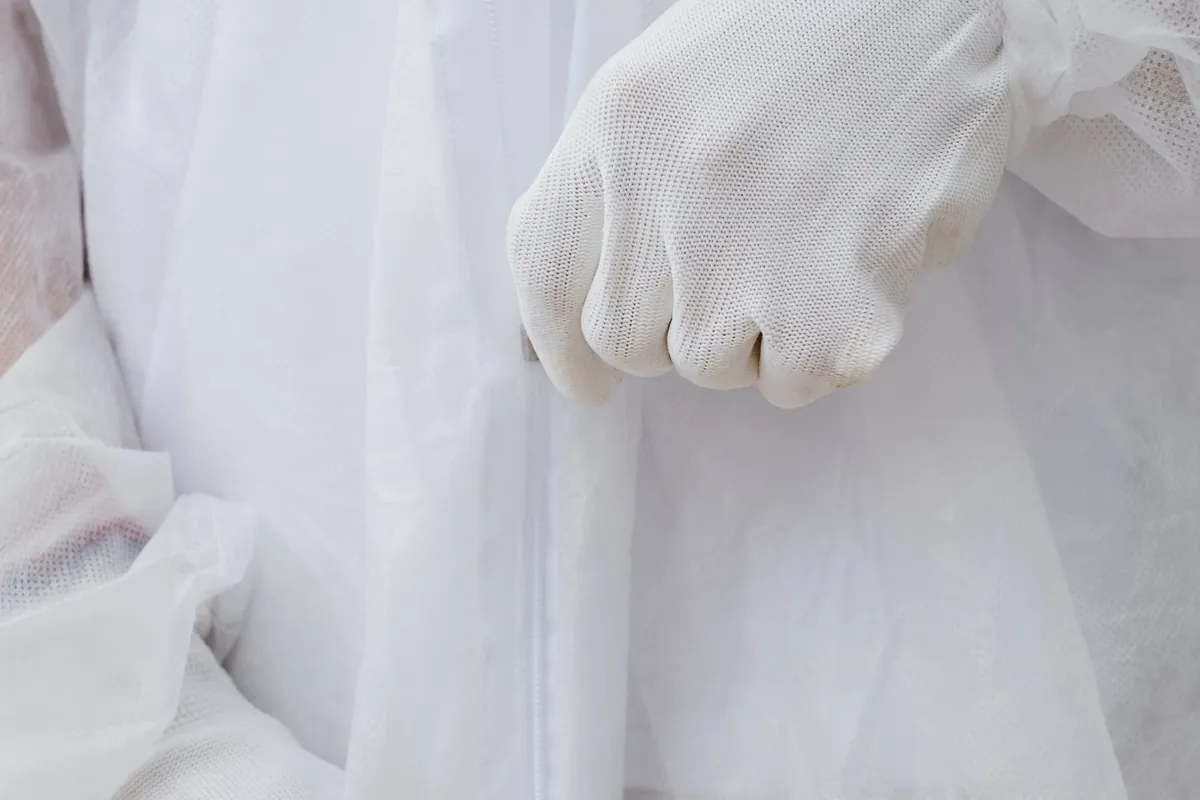
Vomit cleanup means carefully taking away stomach contents, residue and contaminated disposable items, then cleaning, disinfecting and treating odors in the exposed space.
The work may be needed in a home, apartment, hotel room, school, office, store, restaurant, rideshare vehicle or other shared space. A cleanup technician checks where the fluid landed, including nearby walls, furniture seams, floor edges and objects that may have been touched afterward. This wider check matters because shoes, cleaning tools and hands can carry contamination beyond the visible spot.
Ordinary janitorial work is not the same as professional vomit cleaning. Technicians control access and put on protective equipment before lifting disposable matter in a way that avoids needless splashing. They apply an EPA-registered disinfectant to each suitable surface and leave it for all of the label's required contact time. Because fluids may travel beneath the top layer, porous items receive a separate assessment.
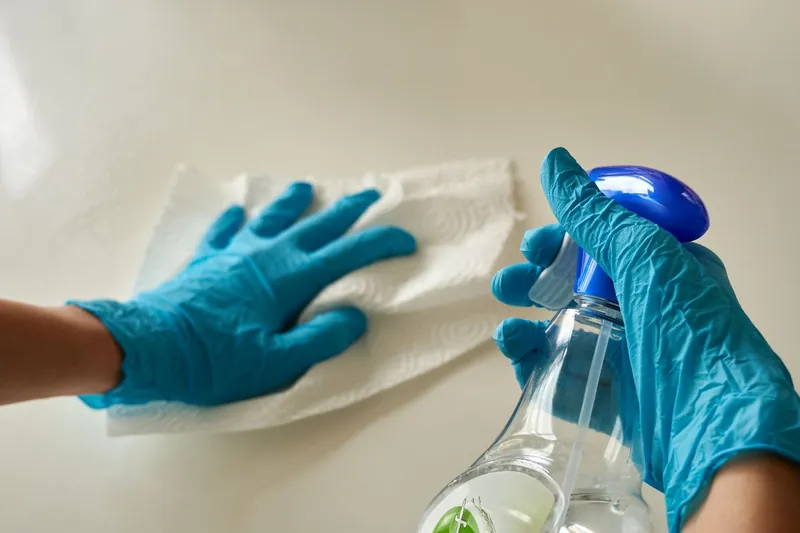
Clothing, bedding, furniture and personal items are assessed with you so decisions about treatment or removal are understood.
Photos, the cleaning scope and records of removed materials can support discussions with property managers or insurance companies.
Because every situation differs in scope, you receive an explanation of the cleaning work, porous items requiring assessment and conditions that influence cost. Your questions should receive answers from cleanup crews throughout the entire process.
To maintain privacy, unmarked vehicles are used and the affected space stays limited so the incident attracts less attention.
When ordinary household methods cannot safely or completely address a spill because of its amount, surroundings or possible cause, professional cleanup may be appropriate. Common examples include:
Surface wiping cannot remove every trace when fluid soaks into padding, carpet, mattresses, fabric seats or seams in furniture.
A large spill, contamination across affected areas or late discovery can create serious health concerns, calling for protective gear, containment and a planned cleaning process.
A customer or employee became sick in a restaurant, store, office, hotel or other public-facing space that needs controlled cleaning.
A personal or work car, taxi, rideshare vehicle or bus may have vomit inside its carpet, vents, door pocket or seat seam.
Begin by keeping others safe and containing the affected area. Before cleanup technicians can evaluate the space, these actions can help:
Call (888) 440-9227A specific cost for vomit does not appear in the published data that is available. Bodily-fluid guides offer the nearest comparison, showing a $500 to $2,500 range when blood or fluid cleanup is small. A wider published span for blood cleanup runs from $300 to $4,000. These figures are comparisons rather than a vomit cleanup quote. An assessment determines the area, materials, waste needs and odor work that affect your final cost.
These ranges come from published national cost guides, not from a site visit. After an on-site assessment, the price for your property is determined and shared with you before cleanup begins.
Ask about cost: (888) 440-9227Insurance coverage depends on what caused the event, how much damage occurred, the terms of your property policy and its deductible. Because routine cleaning may be treated differently than sudden property damage, ask your insurance company how the specific loss is addressed.
Check how your deductible applies and ask about coverage for the event's cause, necessary records, affected porous items and any related restoration services. For insurance assistance, contact the company or agent listed on your policy.
The tenant, guest, landlord or business may be responsible depending on where the incident occurred, what caused it and the rental or lodging terms.
Property owners and managers can consult commercial coverage plus the internal incident procedure before they approve material removal or cleaning services.
Following a damaging or major incident, a homeowner may report it and ask if the policy includes bodily fluid cleanup, contaminated materials and associated restoration.
A professional vomit cleanup involves a controlled order so contaminated materials do not move into clean areas. This order guides the entire process, and every step in the remediation process depends on the surface, setting and possible source of illness.
If cleanup involves areas beyond what can be seen, technicians inspect surrounding touch surfaces, travel routes and porous items for absorbed fluid.
Crews control access, divide contaminated zones from clean ones and use face protection, clothing and gloves suited to the conditions.
Disposable debris and bulk matter are carefully picked up and secured, without forceful sprays, dry brooms or avoidable movement between rooms.
Visible soil is removed with a cleaner compatible with the surface because disinfectant must reach the material beneath the residue.
Crews treat compatible hard surfaces using an EPA-registered disinfectant, maintaining visible wetness for the label's entire contact time.
The depth of contamination is assessed in padding, carpet, upholstery and unfinished surfaces. Crews clean materials that can be treated and isolate those requiring removal because full cleaning is not possible.
The source of persistent odor is identified, materials close by are reinspected and air is moved without carrying contamination into clean areas.
The work area, touchpoints and travel path are inspected to confirm every step in the planned work is complete. Equipment and supplies are carried away cautiously, leaving the area prepared if repairs are needed.

You can call anytime. A vomit cleanup specialist answers, explains the steps and agrees a start time with you.
Vomit can become a biohazard when it may contain infectious germs or when the amount and affected materials make safe removal difficult.
After vomiting from a stomach illness, germs can be left behind in fluid or on close touchpoints. When you do not know a spill's cause, consider it potentially contaminated, especially during illness affecting several people.
Surrounding areas, shoes, door hardware and bathroom fixtures may receive residue and droplets. Contamination may remain if you clean just the obvious middle area.
An unexpected illness at a school, workplace or residence may cause distress. A steady cleanup plan lets you limit access, move forward and avoid exposing others unnecessarily.
Can you clean it yourself? You may manage a recent small spill known to be noninfectious on a sealed hard surface with disposable towels, gloves and an EPA-registered disinfectant applied precisely as labeled. Call for professional cleanup when you suspect contagious illness, face a major spill or lasting odor, or find fluid in hidden spaces, unfinished wood, upholstered material, carpet or padding.
Cleanup and disinfection may take a few hours when a small spill is recent and limited to a hard surface. The work can last longer across multiple rooms or inside a vehicle, and when liquid reaches furniture, padding or hidden spaces. Crews cannot rush complete contact time, drying, odor inspection or material removal that may be needed.
| Scene | Typical time on site |
|---|---|
| Minor spill area across a sealed hard surface | Often several hours |
| Contamination involving carpet, furniture fabric or several surfaces | Frequently a portion of one day to one full day |
| Deep contamination in porous material or several areas | May need from one to several days |
The source must first be found and removed to address vomit odor. Adding fragrance alone leaves residue untouched when it sits inside upholstery seams, under the edge of carpet, below a vehicle seat or within unfinished materials. A smell that reappears can mean contaminated belongings or fluid remain.
Affected absorbent materials need another check after disinfection and cleaning, followed by enough drying time. HEPA-filtered equipment may control particles when appropriate for the cleanup, although air treatment cannot take the place of source removal. The right ventilation choice varies by location because powerful airflow during the initial work could move droplets or odors into nearby areas.
Under 29 CFR 1910.1030, OSHA's Bloodborne Pathogens Standard covers workers whose jobs expose them to blood or another included material. Employers need to evaluate each exposure instead of treating all spills alike.
Use a disinfectant registered by the EPA for the target germ and compatible with the surface. Maintain visible wetness for all of the contact time required by the product label.
Kentucky has no single medical waste agency. The Energy and Environment Cabinet's Division of Waste Management permits medical waste transfer stations, and most landfills accept this waste only after treatment, so it should not go in household trash.
If illness affects a group at a workplace, food business, care setting or school, use the facility response plan and follow directions from the relevant local health authority.
The full vomit cleanup guide covers what is cleaned or removed, odor and air quality work, and the rules that apply in Kentucky and Fayette County.
Read the full vomit cleanup guide
Local housing, population and access details can shape containment, access and cleanup planning.
For an injury during discovery, University of Kentucky Hospital is the nearest listed hospital at approximately 1.0 miles away.
The location sits near Woodward Heights, Gratz Park, and Davis Bottom/Southend Park, making local landmarks helpful when a property entrance is hard to find.
The neighborhood setting makes privacy especially important when equipment must pass through sidewalks, lobbies, or other visible common areas.
You can ask about cleanup in nearby communities and ZIP codes during the call.
Bodily fluid cleanup and disinfection for homes, care settings and businesses.
See bodily fluid cleanup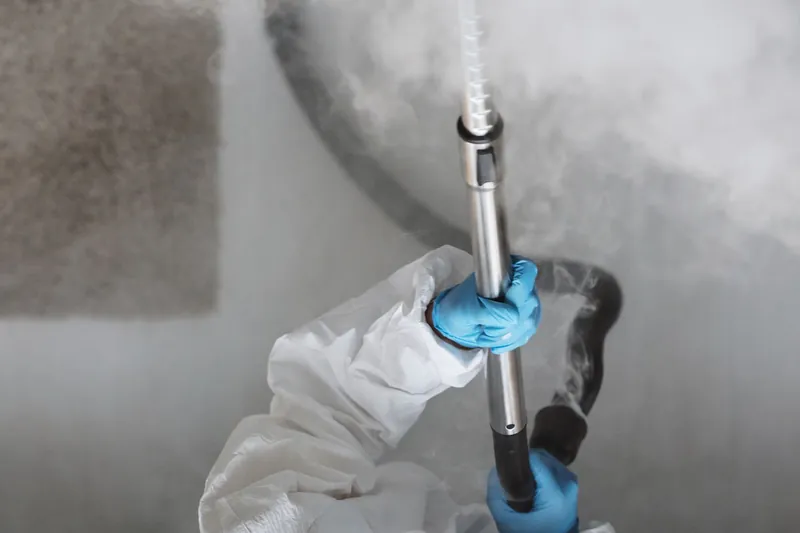
EPA-registered products are applied across all surfaces during infectious disease disinfection.
See infectious disease disinfection
MRSA, norovirus and C. diff cleanup covers care settings, fitness facilities and homes.
See mrsa, c. diff and norovirus cleanup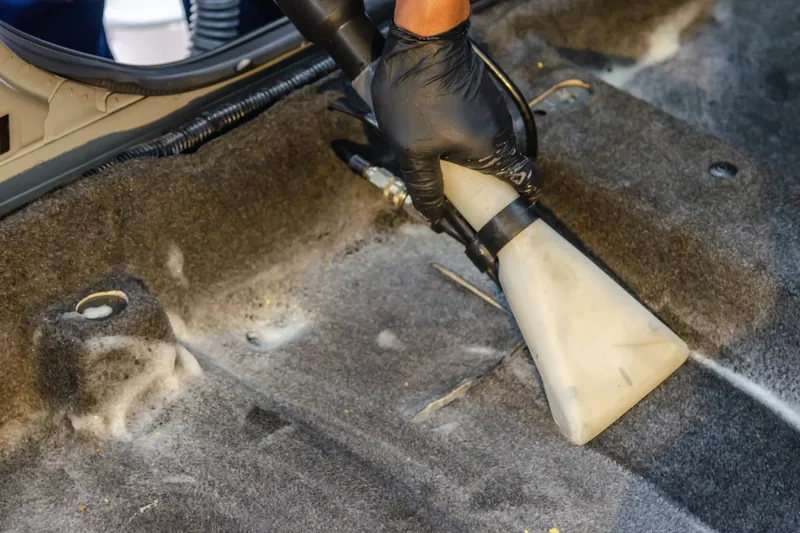
Biohazard carpet and upholstery cleaning, or safe removal when needed.
See biohazard carpet and upholstery cleaning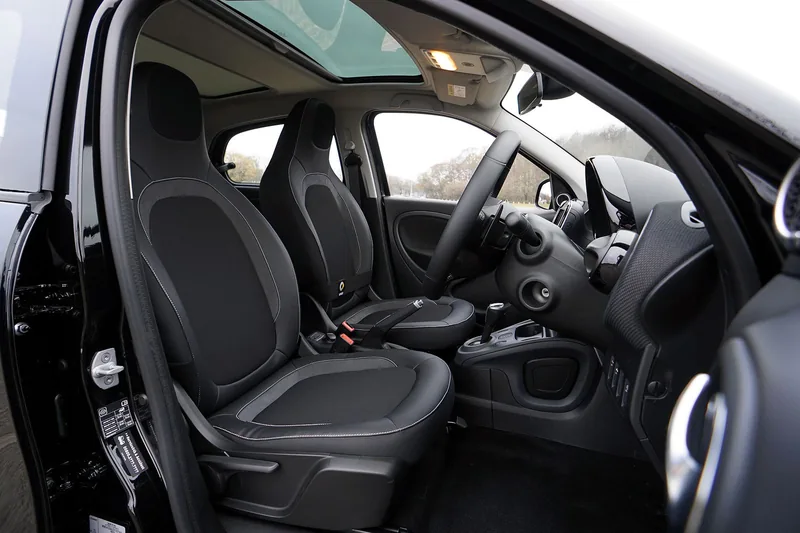
Cars, boats, trucks and RVs receive vehicle biohazard cleanup.
See vehicle biohazard cleanup
Commercial and industrial sites receive biohazard cleanup arranged around operating needs and site access.
See commercial and industrial biohazard cleanup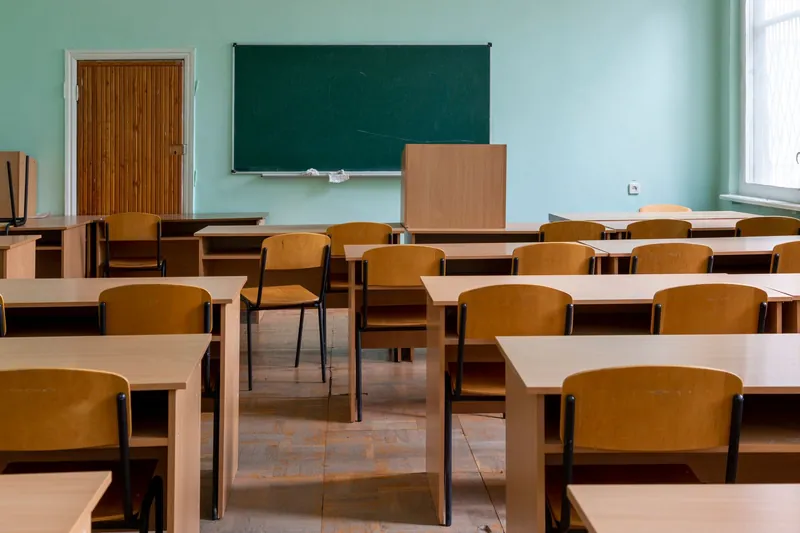
Outside teaching hours, biohazard cleanup treats daycare and school facilities.
See school and daycare biohazard cleanup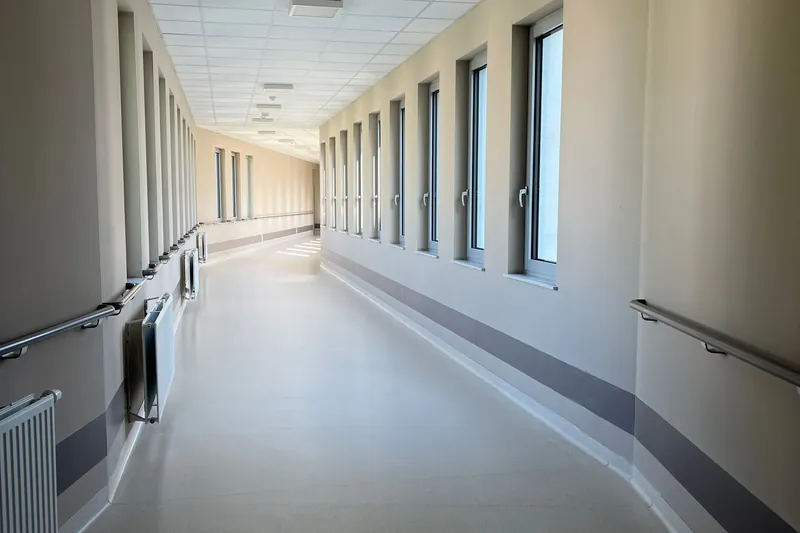
Clinics, healthcare facilities and care homes receive biohazard cleanup.
See hospital and healthcare biohazard cleanupPotentially. The result depends on the material, the amount of fluid, how long it sat and whether it reached the padding or foam. Although you may see no contamination on top, hidden residue might remain underneath. Assessment by a technician shows whether the material is suitable for extraction and treatment or requires removal of the affected part.
Available published figures do not include a range solely for vomit. The most comparable bodily-fluid sources show $500 to $2,500 for cleaning a small blood or fluid area, while $300 to $4,000 applies to wider blood cleanup. These numbers are comparisons, not a quote. Cost changes with the surfaces involved, size of the affected area, waste, lingering odor and any needed removal.
Odor is treated by removing all residue and any porous material that cannot be fully cleaned. Next, crews clean the space, apply disinfectant where suitable, dry it and perform another check. Deodorizer or fragrance alone is not enough. If odor returns, the source may remain under flooring, inside furniture or in another hidden space.
Possible blood or disease-causing germs can make vomit a biohazard. Risk depends on the cause and location. Avoid touching chemicals or other hazardous materials, and explain what is present when you ask for help. You might safely address a small spill on a sealed material when you know the cause is not infectious and take proper precautions. Seek a professional assessment when the amount is large, porous material is contaminated or you do not know the illness.
Professional cleanup is appropriate with possible infectious disease, an unidentified cause, a large amount, multiple contaminated spaces or fluid inside mattresses, concealed gaps, padding, carpet and upholstery. In a shared business location where workers, children, visitors or customers might enter the affected area, professional cleanup is also appropriate.
It depends on the cause, damage, policy terms and deductible. While regular cleaning may not qualify, abrupt damage resulting from a covered loss can be considered differently. Contact the insurance company, explain what happened and ask about bodily fluid cleanup, damaged materials, documentation and restoration before authorizing major removal.
Crews carry out respectful, discreet vomit cleanup, arrive in unmarked vehicles and take calls 24 hours a day.